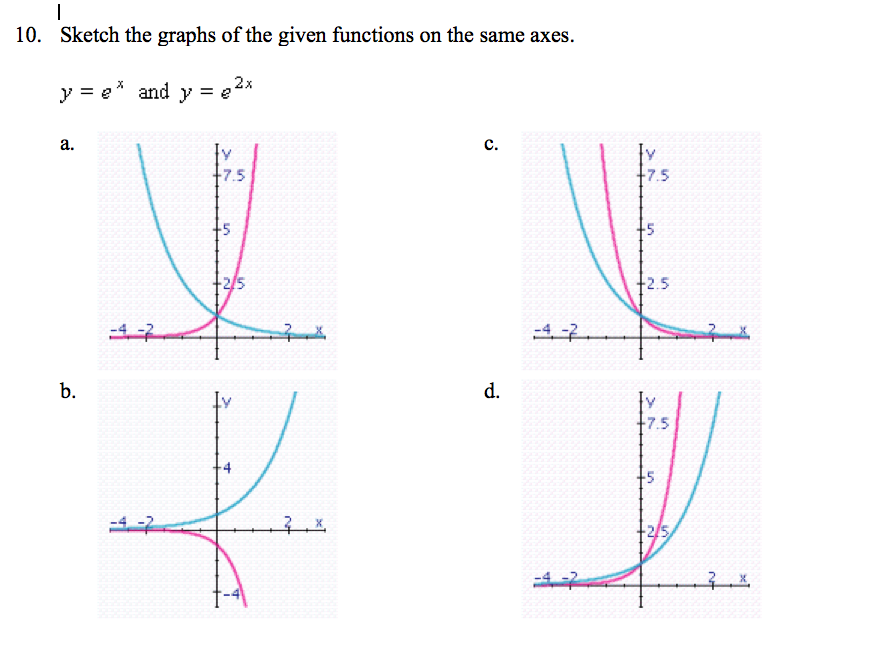
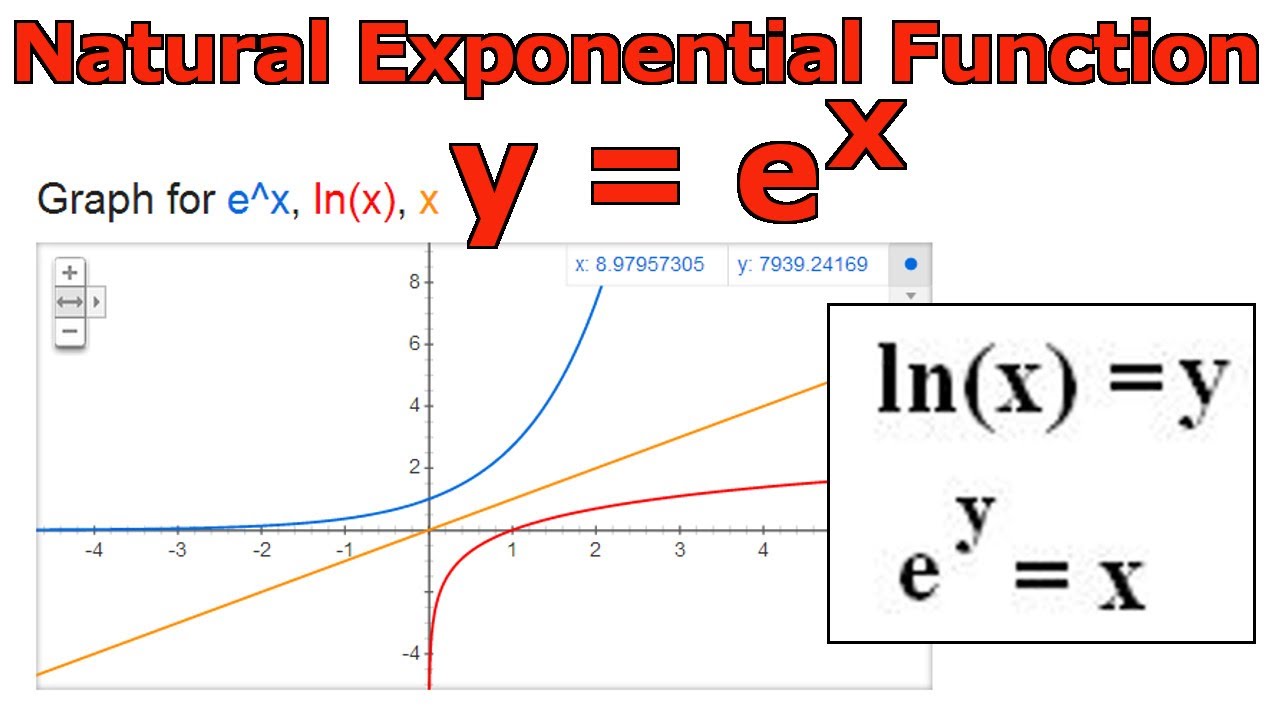
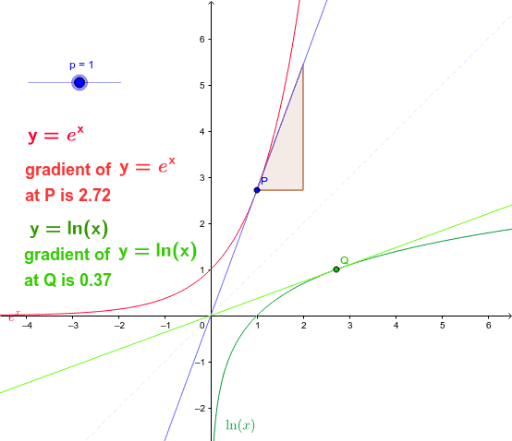
【印刷可能】 y=e^-x 176020-Y e x logarithmic form
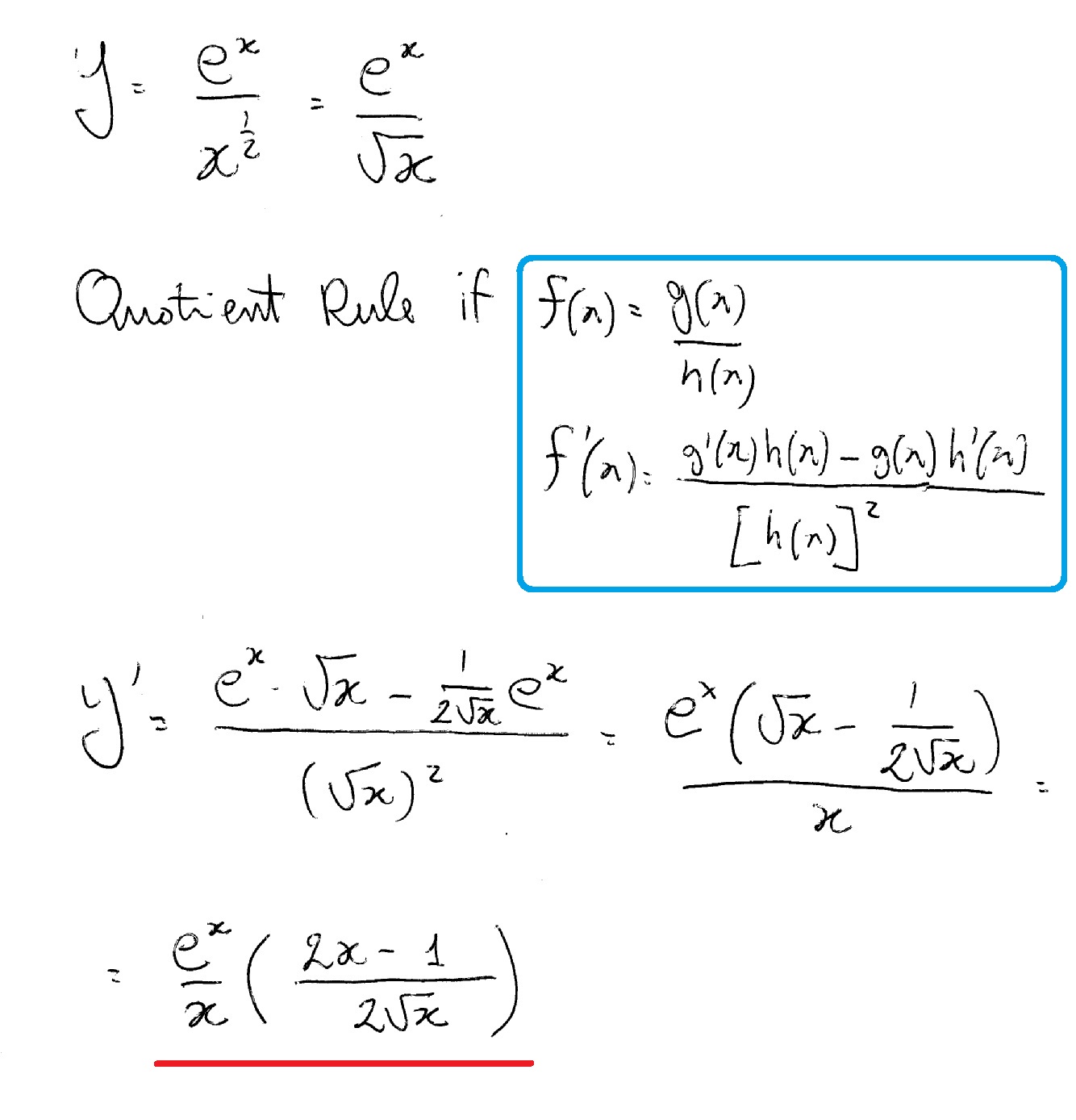
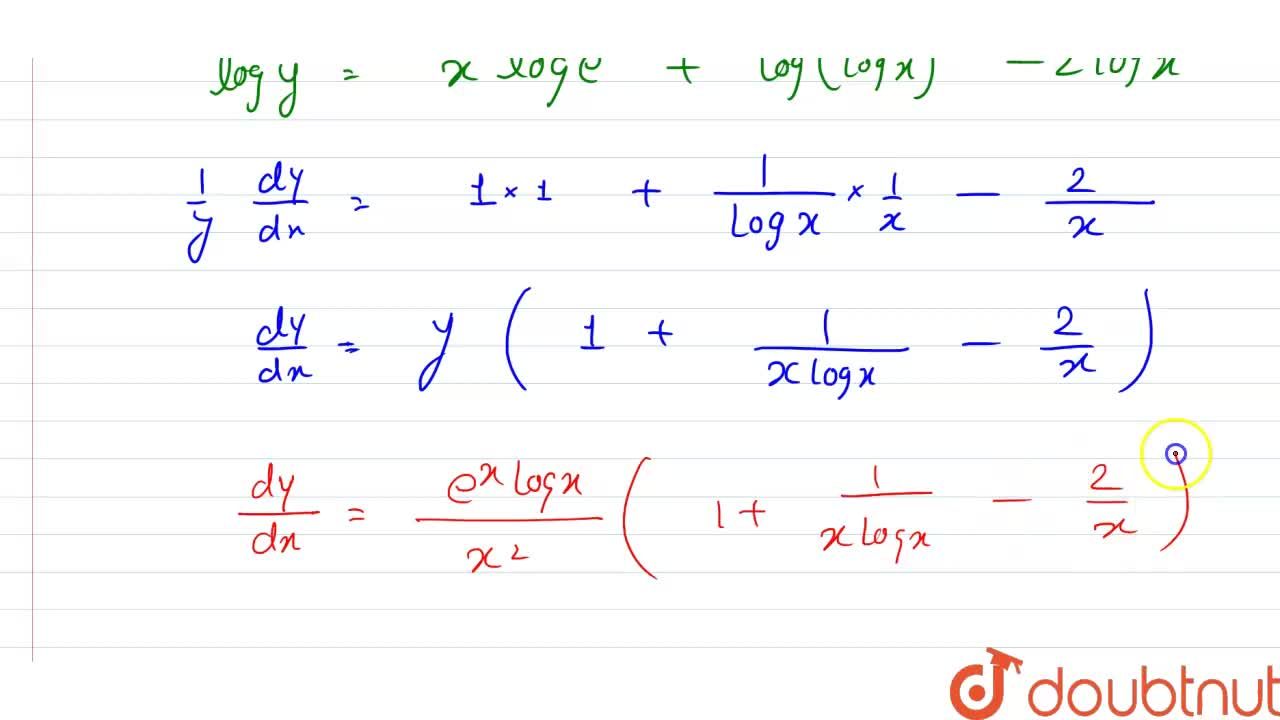
How Do You Find The Derivative Of Y E X X 1 2 Using The Quotient Rule Socratic
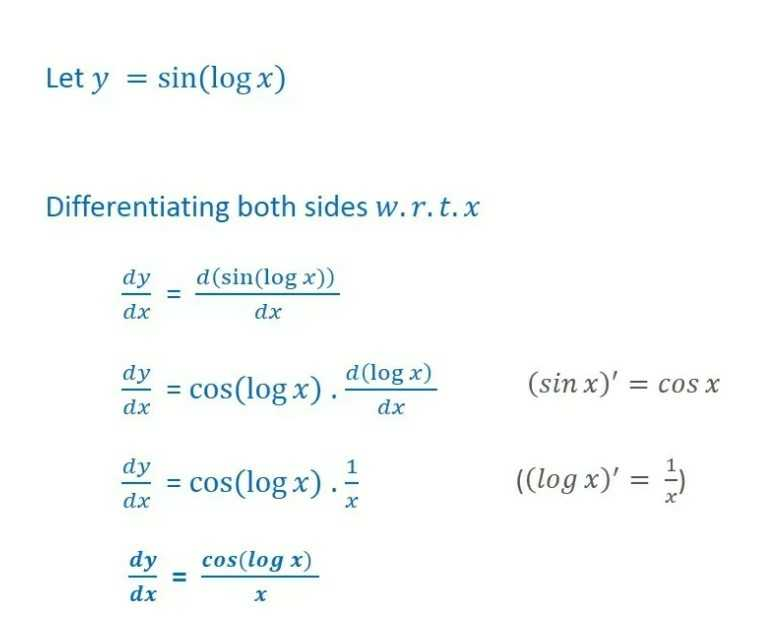
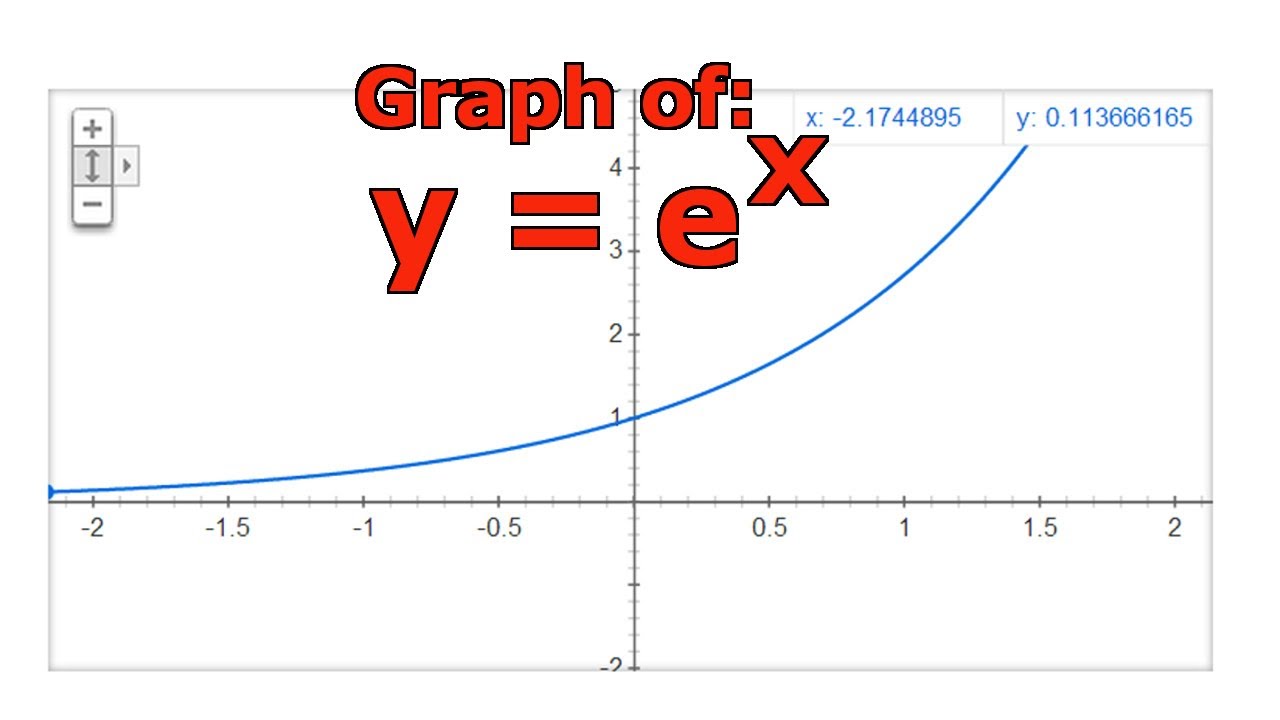
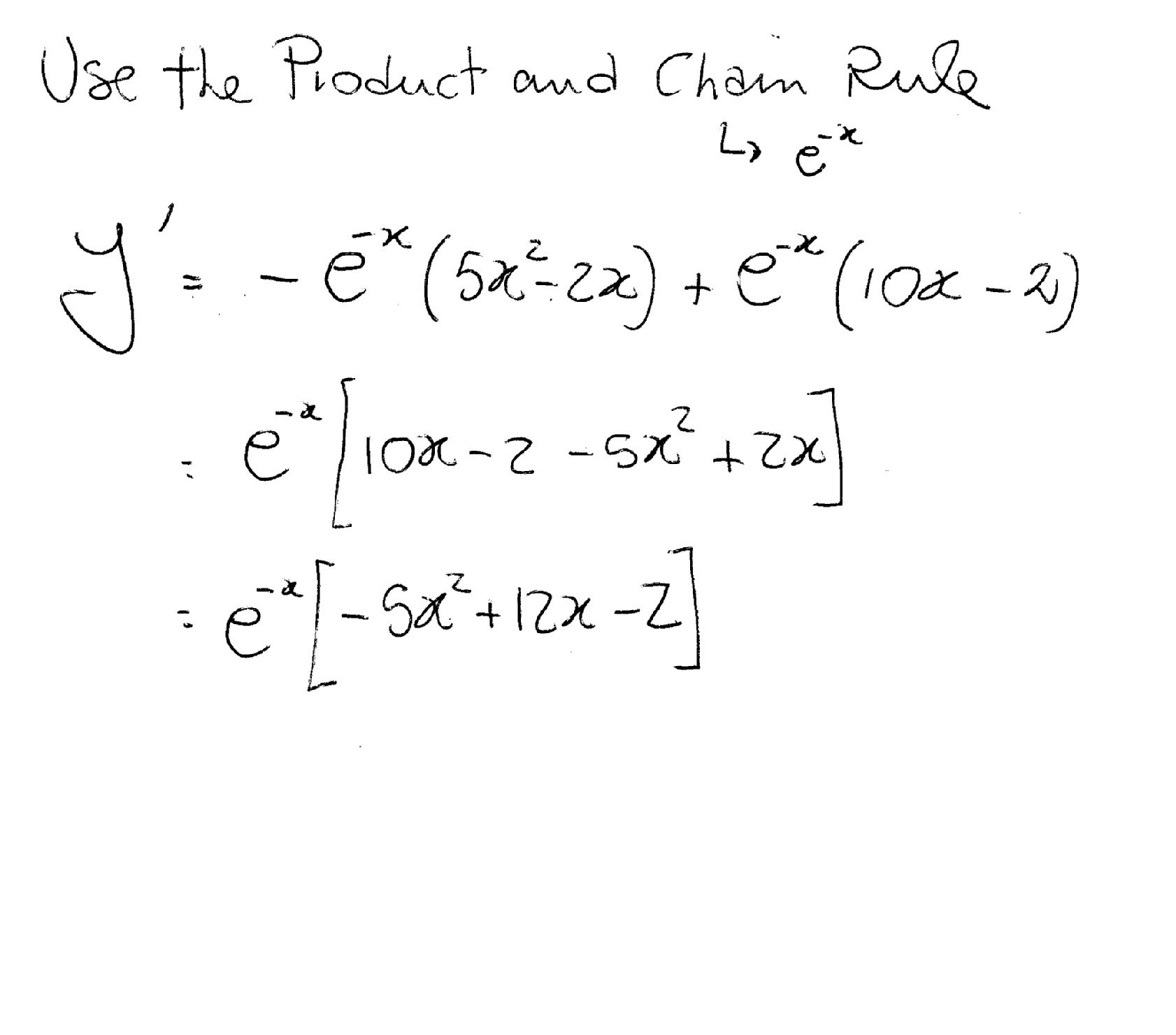
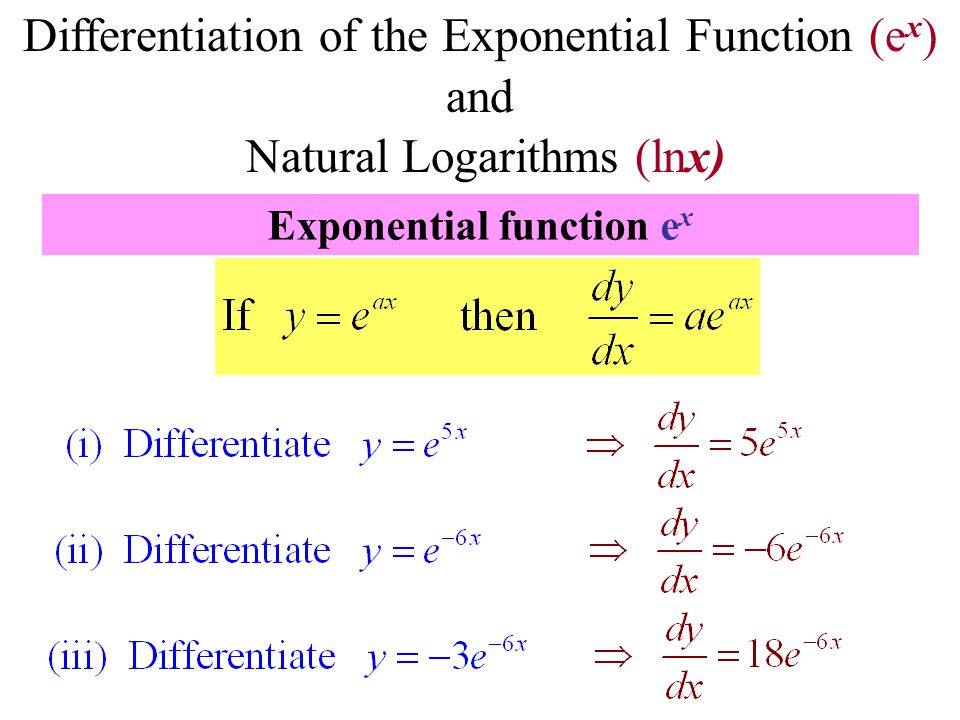
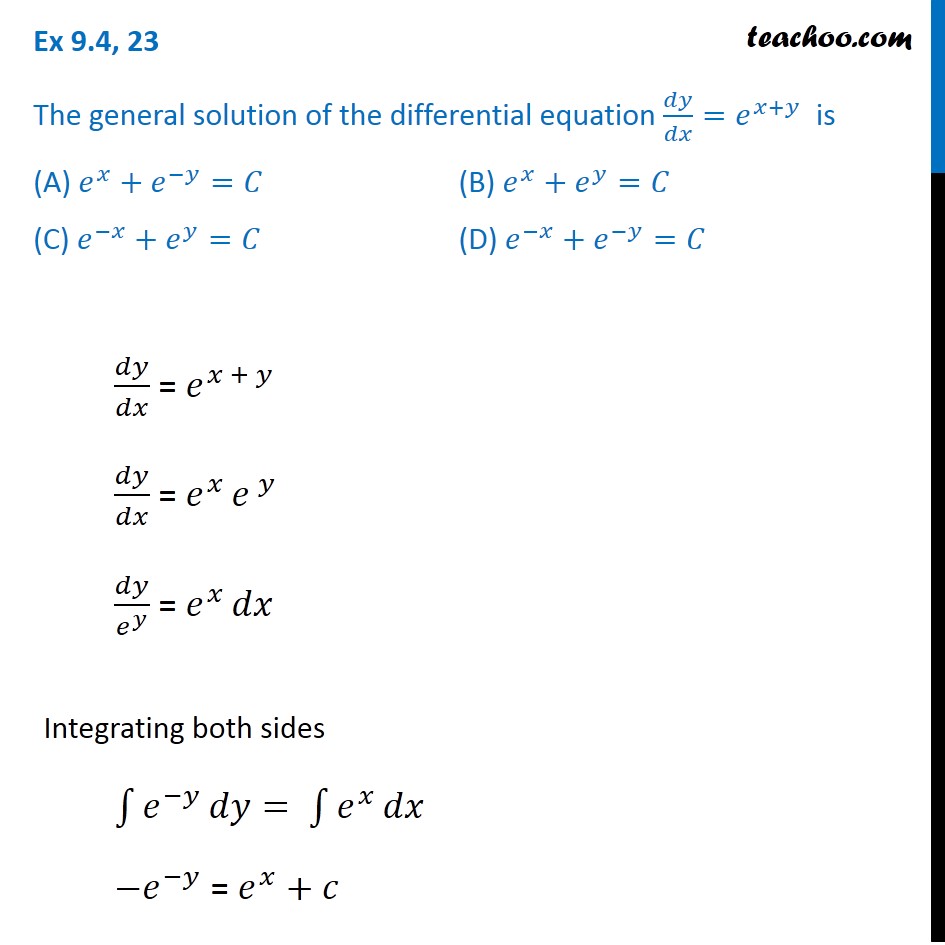
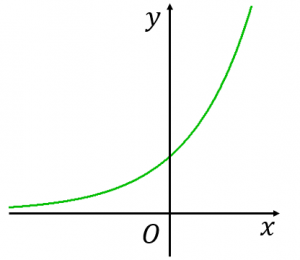
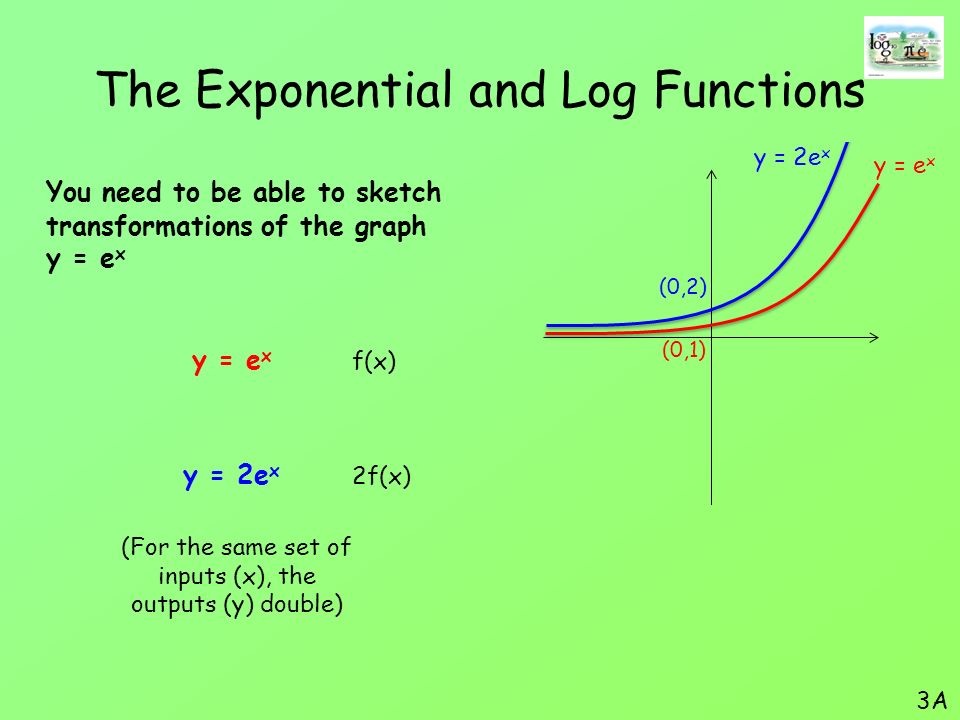
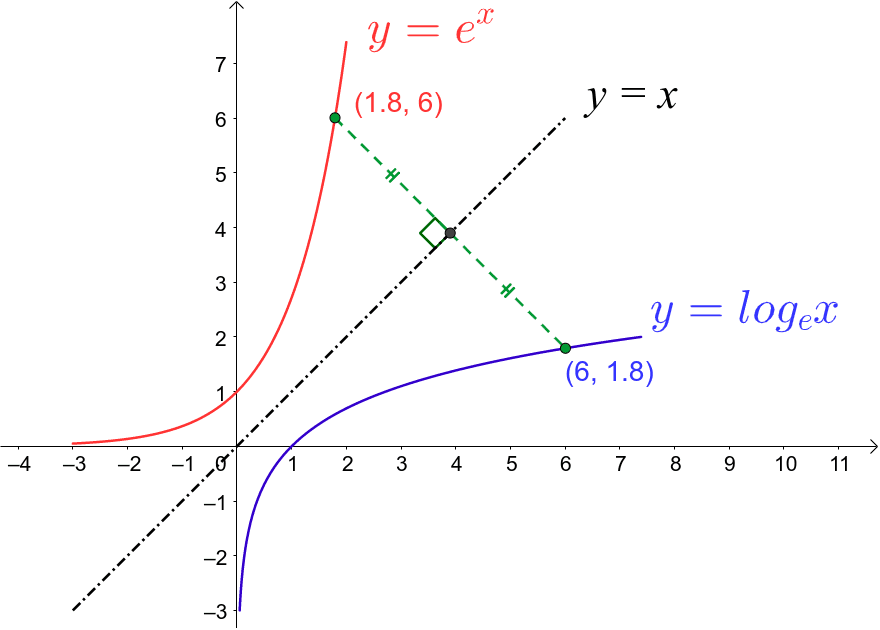
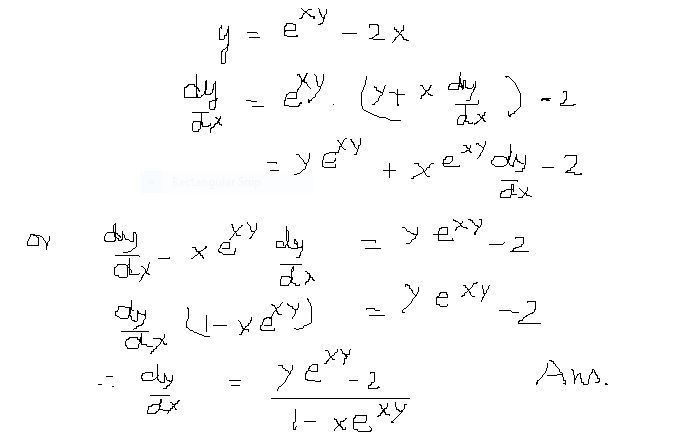
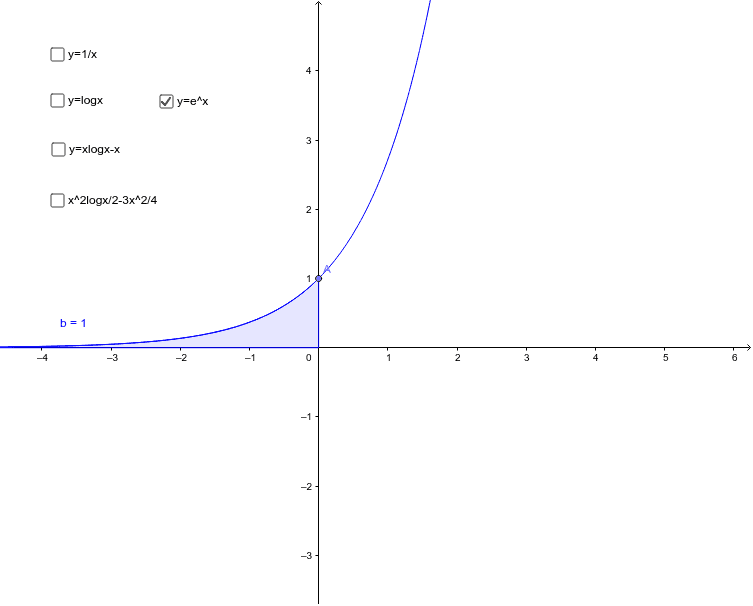
Y = ex p e2x 4ex 2 2 The best way to check our work here might be to choose some simple values for x and evaluate both sides of the original equation using a calculator 4 ex e x ex e x = y We start by applying the hint, letting u = ex ex e x ex e x = y ex 1 ex ex 1 ex = y u 1 u u 1 u = y u 1 u u u1 u = y u2 1 u2 1 = y u2 1 Given #y=e^x# Differentiate using the chain rule, which states that, #dy/dx=dy/(du)*(du)/dx# Let #u=x,(du)/dx=1# Then, #y=e^u,dy/(du)=e^u# Combine the results together to get #dy/dx=e^u*1# #=e^u# Substitute back #u=x# to get the final answer #color(blue)(bar(ul=e^x)#
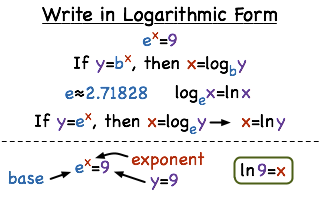
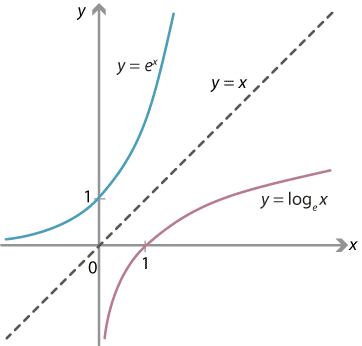
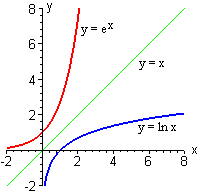
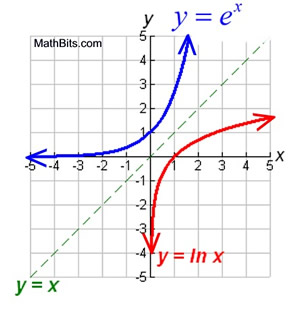
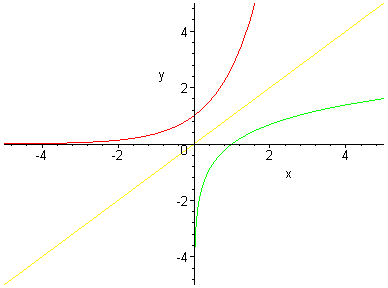
Y e x logarithmic form
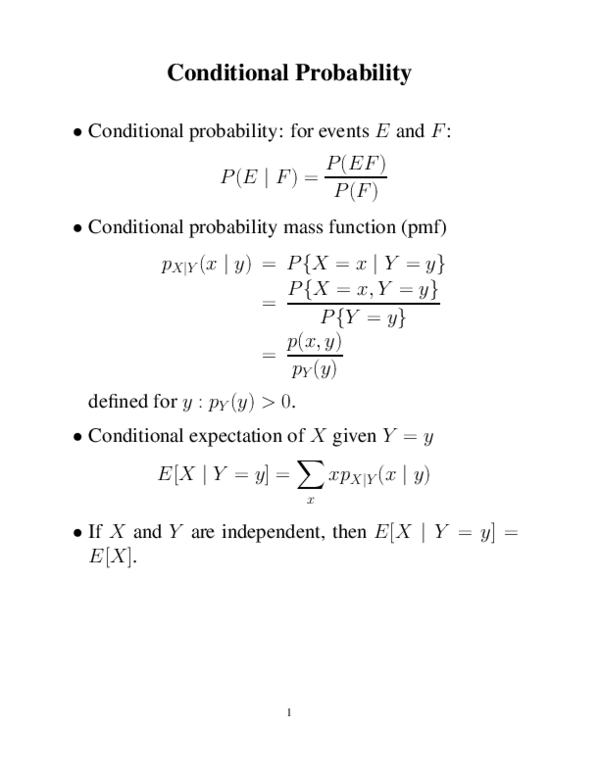
Y e x logarithmic form-Break at uniformly chosen point Y • Conditional expectation break again at uniformly chosen point XY=e^x Loading y=e^x y=e^x Log InorSign Up y = e x 1 y = k
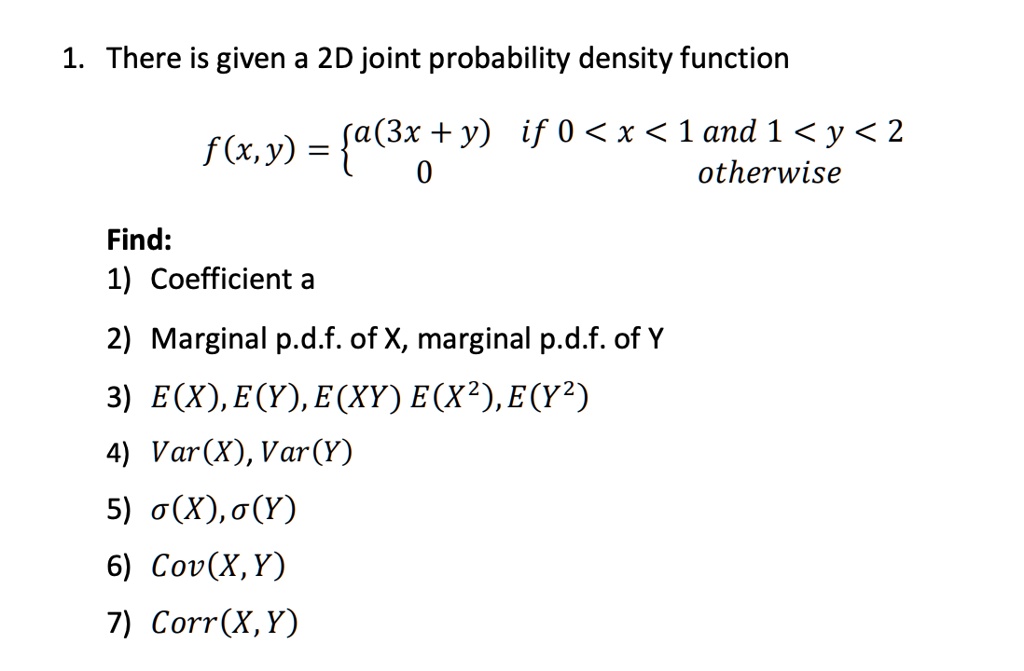
Solved 1 There Is Given A 2d Joint Probability Density Function A 3x Y If 0 X 1 And 1 Y 2 Flx Y 0 Otherwise Find 1 Coefficient A
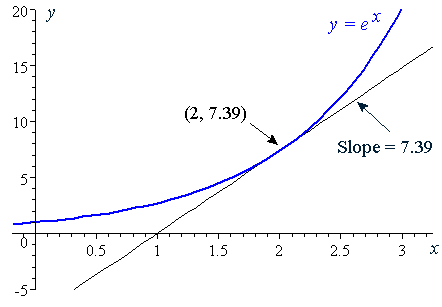
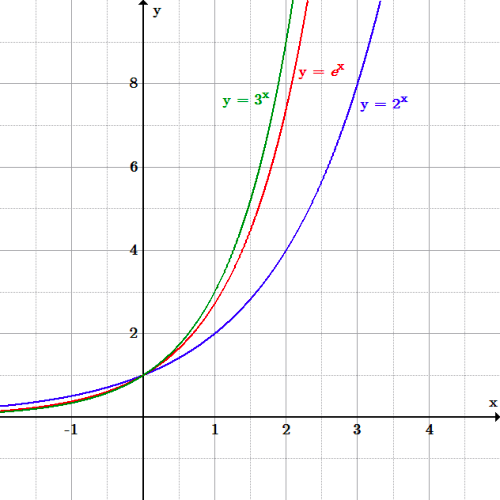
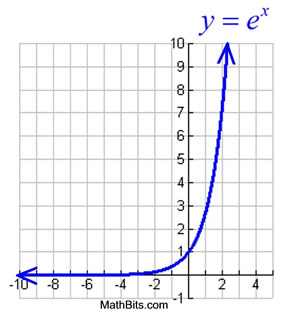
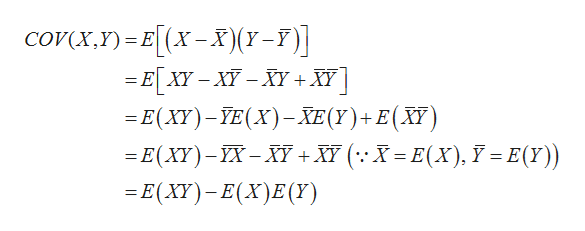
Then, $EX\mid Y=y_0= EX\mid Y = 1$ is a number it is the conditional expected value of $X$ given that $Y$ has value $1$ Now, note for some other fixed real number $y_1$, say $y_1=15$, $EX\mid Y = y_1 = EX\mid Y = 15$ would be the conditional expected value of $X$ given $Y = 15$ (a real number) y = e x \displaystyle y = e^ {x} y = ex More generally, y = f (x) After stating this, you cannot later just play like 'y' is NOT a function of 'x' It is NOT a constant, here You are overlooking a constant of integration Even if you were right about 'y' being constant, you should be left with y = xy C ==> 1 = x C/yPiece of cake Unlock StepbyStep Natural Language Math Input
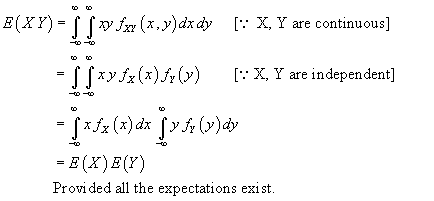
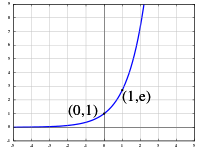
E (Y) = Sum (y P (Y = y)) where P (Y = y) is the probability that the random variable Y takes on the value y, and the sum extends over all possible y In a similar fashion E (X Y) = Sum (z P (X Y = z)) where the sum extends over all possible values of z Thus you are looking at all possible combinations of values of X and Y that add to z not sure what you mean by justify, but since y (0) = 1 y (1) = e the slope of the line segment joining (0,1) and (1,e) is e1, we want c such that y' (c) = e1 e^x = e1 x = ln (e1) = 054 which is in the interval (0,1)Given,e xe y=e xyNow differentiating both sides with respect to x we get,e xe ydxdy =e xy(1 dxdy )or, e x−e xy=(e xy−e y) dxdy or, dxdy =e x−ye x−11−e y or, dxdy =−e x−y1−e x1−e y Solve any question of Continuity and Differentiability with Patterns of problems >
Y e x logarithmic formのギャラリー
各画像をクリックすると、ダウンロードまたは拡大表示できます
 |  |  |
 |  |  |
 |  | |
「Y e x logarithmic form」の画像ギャラリー、詳細は各画像をクリックしてください。
 |  |  |
 |  |  |
 |  | |
「Y e x logarithmic form」の画像ギャラリー、詳細は各画像をクリックしてください。
 |  | |
 |  |  |
 |  |  |
「Y e x logarithmic form」の画像ギャラリー、詳細は各画像をクリックしてください。
 |  | |
 |  |  |
 |  | |
「Y e x logarithmic form」の画像ギャラリー、詳細は各画像をクリックしてください。
 |  | |
 | |  |
 |  |  |
「Y e x logarithmic form」の画像ギャラリー、詳細は各画像をクリックしてください。
 |  | |
 |  |  |
 |  |  |
「Y e x logarithmic form」の画像ギャラリー、詳細は各画像をクリックしてください。
 |  |  |
 |  |  |
 |  |  |
「Y e x logarithmic form」の画像ギャラリー、詳細は各画像をクリックしてください。
|  | |
 |  | |
 |  |  |
「Y e x logarithmic form」の画像ギャラリー、詳細は各画像をクリックしてください。
 |  | |
 |  |  |
 |  | |
「Y e x logarithmic form」の画像ギャラリー、詳細は各画像をクリックしてください。
 |  |  |
 | ||
 |  |  |
「Y e x logarithmic form」の画像ギャラリー、詳細は各画像をクリックしてください。
 |  |  |
 |  | |
 |  | |
「Y e x logarithmic form」の画像ギャラリー、詳細は各画像をクリックしてください。
 |
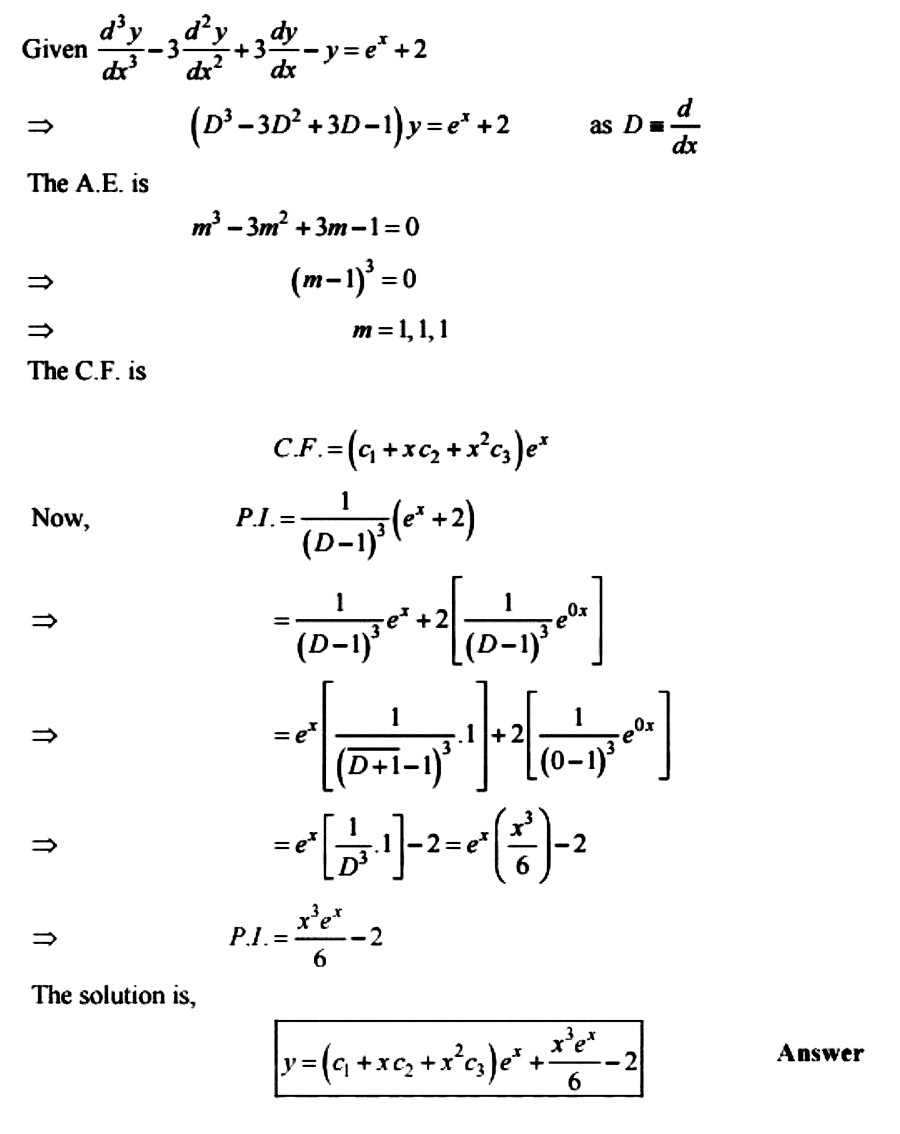
F (x)=\frac {1}{e^xe^{x}} y=\frac {1}{e^xe^{x}} \implies e^xe^{x}=\frac{1}{y} \implies e^x\frac {1}{e^x}=\frac{1}{y} Let e^x=a \implies a\frac{1}{a}=\frac{1}{y} \implies \frac {a^21}{a}=\frac {1}{y} tex(D^2D)y=e^x/tex Now, consider D^2D as the characteristic polynomial and write p(D) instead texp(D)y=e^x/tex we try the particular solution texy_p=\frac{be^{\alpha x}}{p(\alpha)}=\frac{e^x}{p(1)}/tex but 1 is a root of the char polynomial(ie p(1)=0), so we take texy_p=\frac{bxe^{\alpha x}}{p'(\alpha)}=\frac{xe^x}{p'(1)}/tex
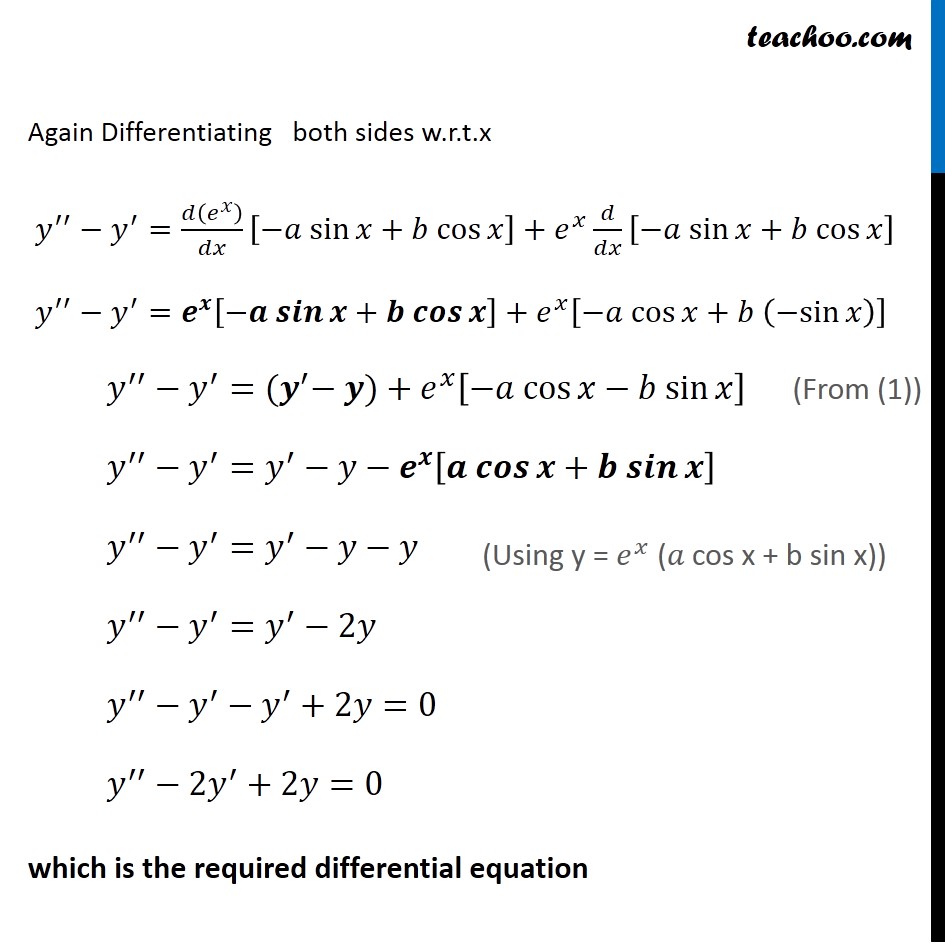
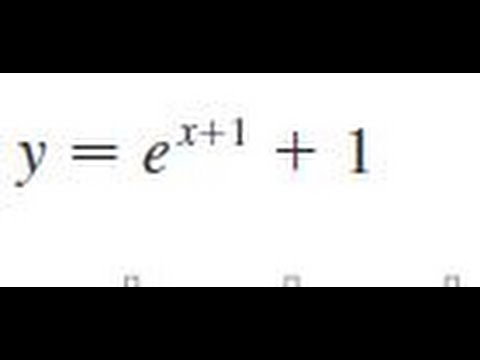
Incoming Term: y e x games, x do vertice, y e x oriental store, y e p meaning in hindi, y e x logarithmic form, y=e^x, y=e^x graph, y=e^x+1, y=e^x dy/dx, y=e^x(acosx+bsinx),


コメント
コメントを投稿